

Navigating the Aftermath: Your Comprehensive Guide to Automobile, Motorcycle, and Boating Accident Claims in Brevard County, Florida
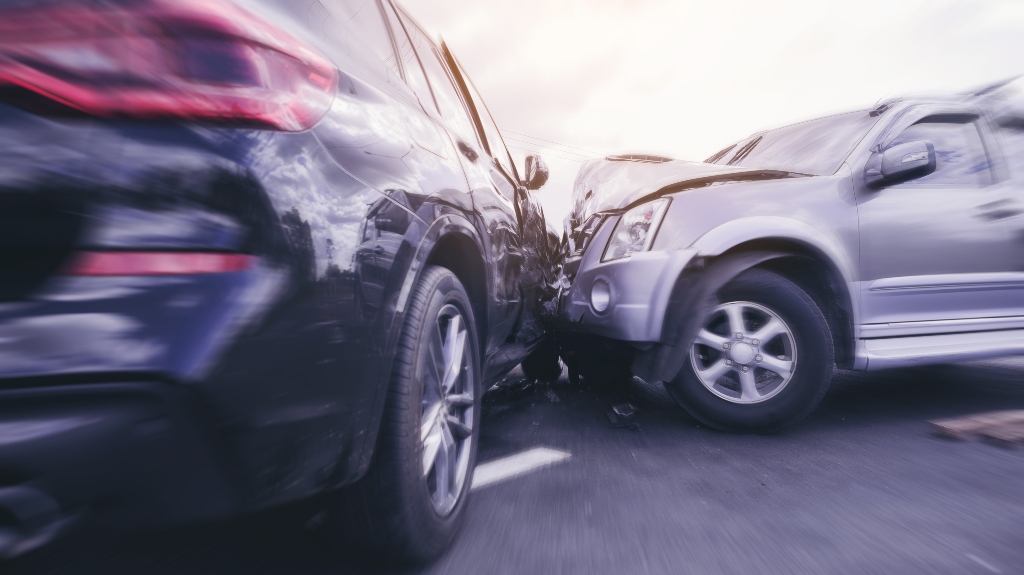
The sun-drenched roads and scenic waterways of Brevard County are an integral part of our community. However, these very same routes – from the busy I-95 and US-1 to the intricate Intracoastal Waterway and the open Atlantic – can, in an instant, become the scene of life-changing events. Each year, thousands of Floridians suffer serious injuries or deaths due to car, motorcycle and boat accidents. These incidents are not just statistics; they are personal tragedies that cause physical harm, emotional distress and significant financial difficulties for individuals and families.
For over six decades, High Stack attorneys have been dedicated advocates for those injured in Brevard County and throughout Florida. Our firm has handled hundreds, if not thousands of cases, and we have a deep understanding of the legal and practical challenges that arise after a serious collision or maritime incident. This article outlines some of the critical legal principles involved in these cases and emphasizes the importance of having skilled legal representation to secure compensation necessary for successful recovery and financial stability.
The Foundation of Liability: Understanding Negligence in Florida
At the heart of most personal injury claims arising from vehicle accidents is the legal concept of negligence. Under Florida law and in most other states, motorists, motorcycle riders, and boaters have a fundamental responsibility to exercise reasonable care to protect others. This involves obeying traffic laws, driving at a speed appropriate for the conditions, maintaining vigilance, and operating a vehicle or boat with reasonable skill.
When an individual violates this duty of care – whether by texting and driving, operating a boat while under the influence, failing to yield, or speeding – and that violation directly causes an accident leading to injury or damage, they are considered negligent under the law. Establishing negligence is the foundation of a personal injury claim. This requires a careful demonstration of four key elements: the presence of a duty of care, violation of that duty, causation, and resulting harm (injury and loss).
However, Florida’s legal system for motor vehicle accidents is shaped by the No-Fault Insurance Law (Florida Statutes § 627.736). This law requires all registered vehicle owners to carry Personal Injury Protection (PIP) insurance. After an automobile accident, each party turns to their PIP insurance for the first $10,000 in medical bills and lost wages, regardless of fault. This system provides quick and limited benefits for minor injuries.
The critical legal threshold for serious injuries emerges in Florida law. Serious injuries can include significant and permanent loss of a vital bodily function, a permanent injury with a reasonable medical probability, significant and permanent scarring or disfigurement, or death. Only when a victim’s injuries reach this “serious injury” threshold can they move outside the no-fault system and pursue a traditional negligence claim against the responsible driver to seek full compensation for their damages. This step is where experienced legal counsel becomes essential, as insurance companies often challenge whether an injury meets this severe standard.
Learn More About Our Case Results
The Unique Perils of Motorcycle and Boating Accidents
While sharing a similar negligence basis, motorcycle and boating accidents present distinct legal and factual challenges.
Motorcycle Accidents
Motorcyclists are highly vulnerable road users and often suffer catastrophic injuries in accidents. Despite legal requirements for wearing helmets (for those under 21 years old or without adequate insurance), victims often face bias from insurance companies and juries who mistakenly assume that motorcyclists engage in risky behavior.
To successfully claim compensation, it is essential to have an attorney who is skilled at combatting this bias and conducts an aggressive investigation (often involving accident reconstruction experts) to prove how the driver’s failure to see or yield to a motorcyclist – a common cause of accidents – constitutes negligence. Additionally, Florida’s Personal Injury Protection (PIP) insurance does not cover motorcycles, making it even more crucial to pursue a claim against the responsible party immediately.
Boating Accidents
Maritime and Florida boating laws add complexity to accidents in Brevard waters. These accidents involve issues such as operator inattention, lack of experience, violations of navigational rules, and boating under the influence. The investigation of a boating accident requires a technical approach involving the Florida Fish and Wildlife Conservation Commission and potential Coast Guard reports. Right-of-way rules are also crucial on the water. Liability can extend beyond the operator to include the boat owner or even manufacturers in case of defective equipment. Damages can include unique maritime costs and losses that must be considered.
The Full Spectrum of Recoverable Damages
The primary role of an attorney is to help you identify, document, and pursue every type of compensation that you are entitled to under Florida law, including compensation for medical bills and other expenses. A comprehensive claim seeks compensation for the following:
- Economic Damages: Quantifiable financial losses, including past and future medical expenses, rehabilitation costs, lost wages and earnings, property damage, and out-of-pocket expenses related to the incident.
- Non-Economic Damages: Intangible losses such as pain and suffering, mental anguish, emotional distress, loss of enjoyment of life, physical disfigurement, and damage to the spousal relationship.
In rare cases of egregious or intentional wrongdoing, punitive damages may be awarded to punish the offender and discourage similar behavior in the future.
Taking the First Step Toward Recovery
If you or a loved one have been injured in an accident involving a car, motorcycle, truck or boat in Brevard County, it is important to seek legal assistance in order to regain your financial security and peace of mind. The lawyers at High Stack can provide you with compassionate and professional advice. We will listen to your story, explain your rights under Florida law, investigate the circumstances of the accident and provide a clear analysis of the potential value of your claim. Our goal is to help you understand your options and work together to achieve the best outcome possible.
Do not let confusion about the legal process or pressure from an insurance company dictate the outcome of your important recovery. For over 60 years, High Stack has dedicated its service to helping injured people. We have the skills, resources, and commitment to guide you through this difficult time and fight for full and fair compensation that you deserve.
Common Auto, Motorcycle, Boating Accidents FAQ
Due to Florida’s No-Fault Insurance Law, your own Personal Injury Protection (PIP) coverage is the primary source for initial medical bills and lost wages, regardless of fault. You must seek compensation from your PIP policy for the first $10,000 of these expenses. This system is designed for minor injuries. However, you can step outside this no-fault system to file a claim against the at-fault driver if your injuries meet the legal threshold of being “serious,” such as permanent injury, significant scarring, or loss of a major bodily function.
These cases involve unique complexities. For motorcyclists, Florida’s PIP insurance does not apply, making immediate action against the at-fault driver critical. These claims often require combating bias and using accident reconstruction experts. For boating accidents, state and maritime laws apply, investigations involve agencies like the FWC, and liability can extend to boat owners. Issues like navigational rule violations and Boating Under the Influence (BUI) add further layers, requiring specific legal and technical knowledge.
Negligence is the legal foundation for most injury claims. It means a person failed to exercise the “reasonable care” that a prudent person would under similar circumstances (e.g., speeding, distracted driving, BUI). To prove it, we must demonstrate four elements: that the at-fault party owed you a duty of care, they breached that duty, the breach directly caused the accident, and you suffered verifiable damages (injuries, losses) as a result.
You may be entitled to two main categories of damages. Economic damages cover quantifiable losses like past/future medical bills, rehabilitation, lost wages, reduced earning capacity, and property damage. Non-economic damages compensate for intangible losses like pain and suffering, mental anguish, loss of enjoyment of life, and disfigurement. In cases of extreme misconduct, punitive damages may also be pursued.
Insurance companies often make quick, low initial offers before the full extent of your injuries—such as the need for future surgery or long-term therapy—is known. Accepting an offer typically requires signing a full release, forever barring you from seeking additional compensation. Having an attorney ensures your claim is fully valued to cover all future needs and intangible losses, not just immediate bills.
Skilled legal representation involves a multi-faceted approach: conducting an immediate, thorough investigation to preserve evidence (like traffic footage, vehicle data, witness statements); handling all complex communications with multiple insurance companies; consulting medical and economic experts to project future costs; and accurately valuing the entire claim. A trial-ready reputation also provides essential leverage during negotiations.
Related Articles
What Happens If Both Drivers Are at Fault in a Florida Car Accident?
Car accidents are rarely black and white. In many cases, fault is shared between multiple parties. If both drivers are partially responsible for a car accident in Florida, the legal and financial outcomes depend on the state’s comparative negligence laws. Understanding how fault is apportioned and how it affects compensation is essential for anyone involved…
Who’s Liable in a Florida Boating Accident? Understanding Boater Responsibility
Florida’s waterways are among the busiest in the nation, with thousands of recreational and commercial vessels operating year-round. Unfortunately, this high volume of traffic also leads to a significant number of boating accidents. When a collision or injury occurs on the water, determining liability can be complex. Understanding who is responsible is critical for injured…
What Happens If You Miss the 14-Day PIP Window in Florida?
Florida’s Personal Injury Protection (PIP) insurance system is designed to provide fast access to medical care and compensation after a car accident. However, it comes with strict deadlines, most notably, the 14-day rule. If you fail to seek medical treatment within 14 days of your accident, you may lose your right to PIP benefits entirely….


